Things To Do in Barnes, Battersea, Cheam, Clapham, Epsom, Fulham, Kingston, Putney, Surbiton, Sutton, Wandsworth, Wimbledon

Carshalton: Past & Present

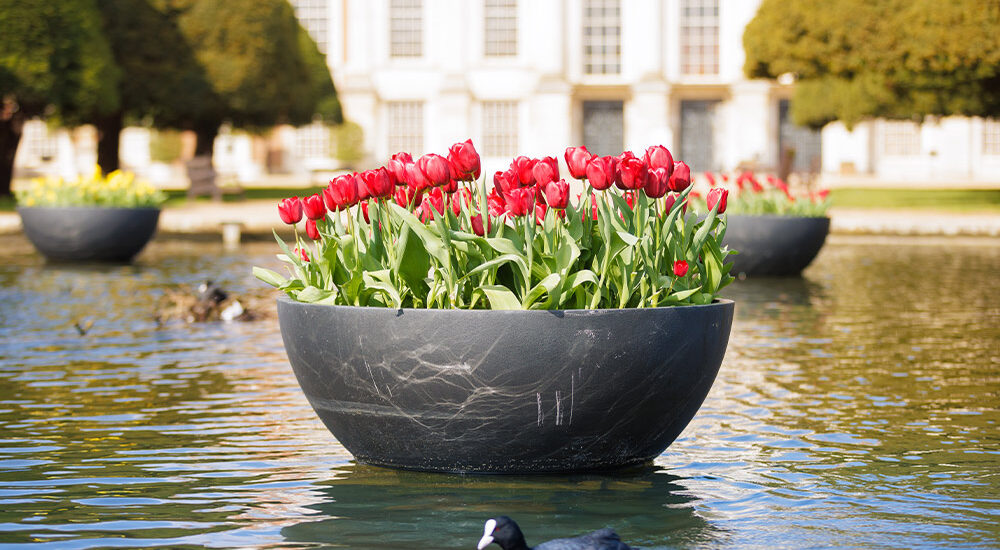
For a village that has survived the ravages of time Carshalton, remarkably, owes its existence to being built on water!

Springs and streams have always been the feature of Carshalton. Alton means the enclosed place – presumably a farm - by the spring. The ‘Carsh’ prefix – possibly comes from cress-alton from the watercress growing in the springs.

The village grew a great deal in the 17th and 18th centuries. The medieval flour mills along the Wandle developed into small industrial sites, producing paper, snuff, leather, copper goods and gunpowder. In the second half of the 18th century the area became important for textile bleaching and printing.

The springs made the village an attractive place and by the end of the 17th century it was a place favoured by the rich. It has retained its enviable character to this day, despite extensive suburban growth. With its ponds and the picturesque settings of Honeywood House (now Sutton’s Heritage Museum) and All Saints Church, Carshalton still fascinates and delights the visitor, whether it’s to savour its history or to enjoy its shops, art galleries and pubs.

Open All Hours!

Carshalton Village has inspired a number of comprehensive accounts of its development by eminent historians, but now we have the fascinating reminiscences of a retired businessman who lived his working life within the community of High Street traders.

George Blanks moved to Carshalton from south London in 1959. He took out a lease on 88 High Street (a former sub-post office) and in 1963 opted to open a home improvements shop there, trading under the family name of Elwyns. Changing trading patterns forced George to discontinue the DIY business, but his son, Chris, and former shop assistant Mark ‘Barry’ Chadwick astutely turned to the growing trends in door and window replacements and conservatories, opening a new shop at Number 90, which continues as Elwyns Windows Ltd to this day.

In retirement, George decided to write a contemporary history of the changes that took place in the village during his tenure there. 50 Years in Carshalton recalls forgotten trades, such as Carshalton’s last blacksmith, run by Fred Ellis from the Old Forge, a collection of buildings which still stands today. He also mentions businesses which remain to this day: the Eagle Gallery – one of very few High Street businesses to have remained privately owned over the last 50 years; the Woodman wine bar, formerly a butchers; the many pubs, some of which began life as coaching inns and stables.

George recalls the large detached houses that once occupied the site now occupied by the shopping precinct; the replacement of the war-damaged Kings Arms pub by three shop units, one of which became the supermarket; the former dairy, on the site of a present Indian restaurant; and the many forgotten businesses – among them McFarlands the drapers (now Pinks Gym) and Bales Furnishers (opposite).

George writes about his past fellow traders with warmth and affection. His own contributions are recorded too, one being the re-introduction of swans to Carshalton Ponds back in the 1970s.

50 Years in Carshalton by George W Blanks is available in all Sutton borough libraries.

Alternatively, copies can still be purchased at £9.95 each from the author. Call 020 8647 2275. Additional information: Sutton Heritage Service; www.sutton.gov.uk/leisure/heritage

CarshaltonCarshalton
Local Advertising
Local Advertising
Local Advertising
Local Advertising
Local Advertising